
21st Autumn Symposium of the Cosmetics Industry
How not to get lost in the flood of ingredient restrictions?
Managing legislative change in practice.

How not to get lost in the flood of ingredient restrictions?
Managing legislative change in practice.
Wie verliert man nicht den Überblick im Dschungel der Inhaltsstoffbeschränkungen?
Gesetzesänderungen in der Praxis managen.

24.04.2025 Rada UE zatwierdziła stanowisko negocjacyjne względem propozycji Komisji w ramach pakietu Omnibus VI, obejmującej mechanizm „stop-the-clock” dla chemikaliów (CLP) (UE) 2865/2024, a także proponowane zmiany w Rozporządzeniu kosmetycznym (UE) 1223/2009 i nawozowym (UE) 2019/1009.
On 24 April 2025, the EU Council approved its negotiating position on the Commission’s proposal under the Omnibus VI package, covering the “stop-the-clock” mechanism for chemicals under the CLP Regulation (EU) 2865/2024, as well as proposed amendments to the Cosmetics Regulation (EU) 1223/2009 and the Fertilising Products Regulation (EU) 2019/1009.
Am 24.04.2025 hat der Rat der EU seine Verhandlungsposition zur Initiative der Europäischen Kommission im Rahmen des Omnibus-VI-Pakets angenommen. Diese umfasst den „Stop-the-Clock“-Mechanismus für Chemikalien gemäß der CLP-Verordnung (EU) 2865/2024 sowie vorgeschlagene Änderungen der Kosmetikverordnung (EU) 1223/2009 und der Düngemittelverordnung (EU) 2019/1009.

Ochrona przed promieniowaniem ultrafioletowym stanowi kluczowy element pielęgnacji i profilaktyki zdrowotnej. W Unii Europejskiej bezpieczeństwo konsumentów w tym zakresie jest regulowane przede wszystkim przez Rozporządzenie Parlamentu Europejskiego i Rady (WE) nr 1223/2009 [1] dotyczące produktów kosmetycznych.
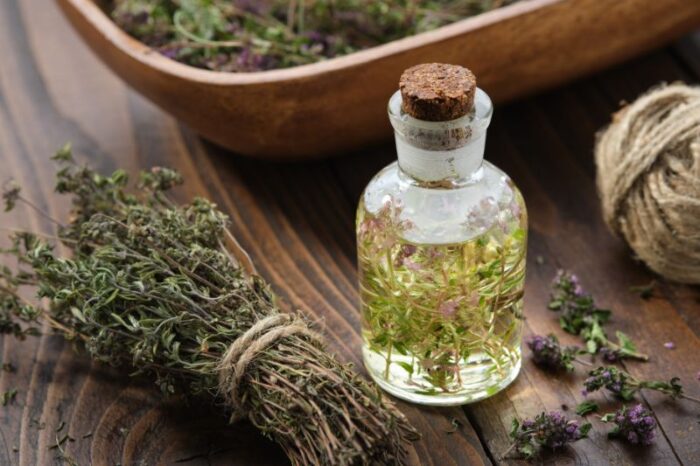
Thymus vulgaris L., commonly known as thyme, has been used since ancient times. Today, it is one of the most popular culinary herbs worldwide, but its uses extend far beyond the kitchen.
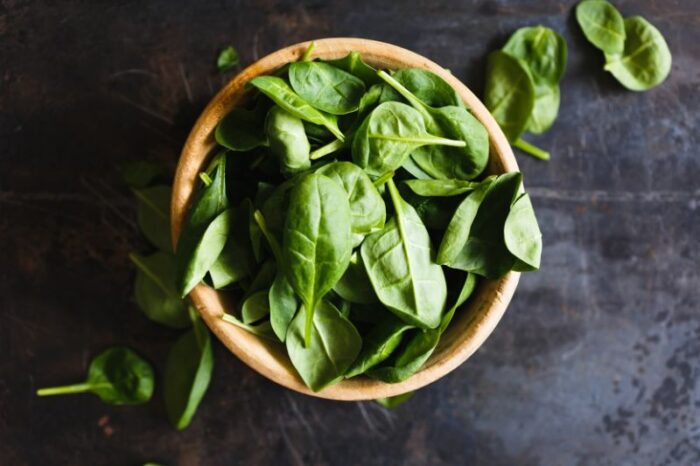
Botanical name: Ocimum basilicum L.
Common name: Sweet basil
Basil has been used since ancient times — regarded in Unani and Ayurvedic medicine as the “king of herbs” — to treat various ailments, including fevers, coughs, colds, digestive and urinary problems, and in religious and culinary practices. In Europe, it was likely introduced from India by Alexander the Great (356–323 BCE), reaching England by the mid-16th century and the USA in the 17th century.
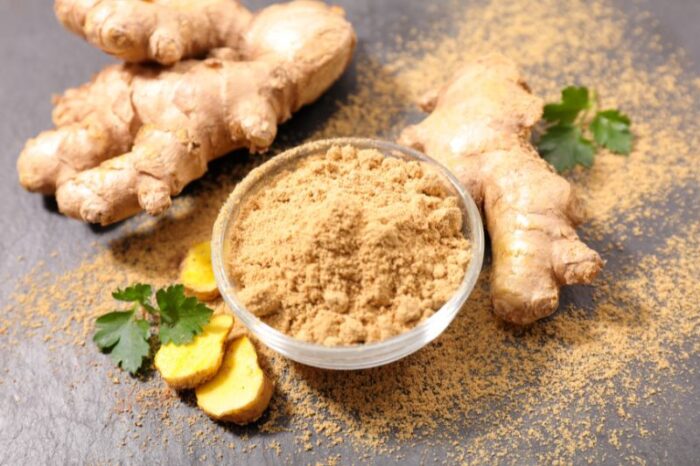
Ginger has been known for thousands of years, with its long history of use leading to a wide diversity of varieties cultivated on different continents.